What Does an Infant Care Teacher Do? A Complete Guide
- Amazing Star
- Jan 6
- 3 min read

An infant care teacher plays a vital role in a baby's early development. They provide a safe, nurturing, and stimulating environment where infants can grow physically, emotionally, and socially. In Singapore, infant care teachers are trained to understand babies' specific needs and help parents feel confident about their child’s care.
This guide explains the primary responsibilities, daily tasks, and skills required for infant care teachers.
Duties of an Infant Care Teacher
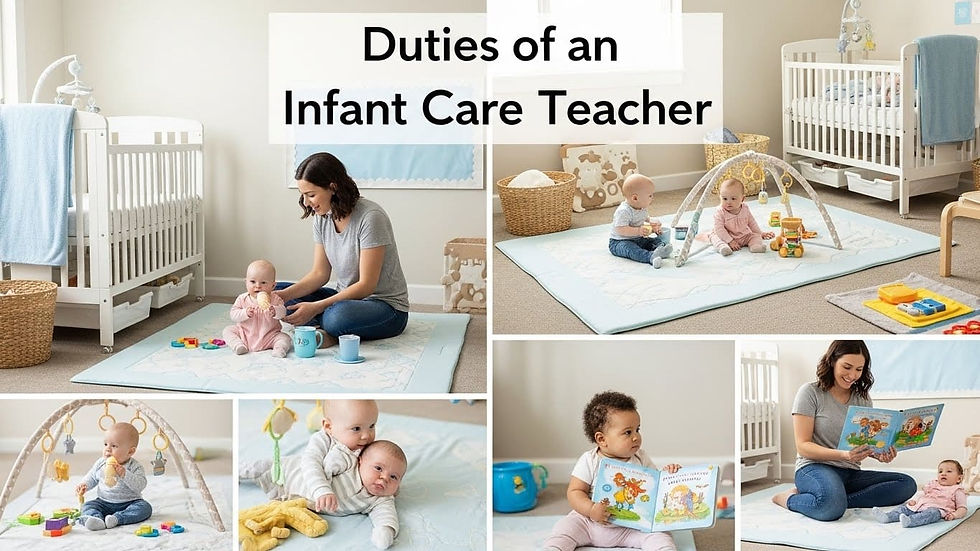
Provide Daily Care
Infant care teachers handle essential routines such as:
Feeding (breast milk, formula, or solids as appropriate)
Diaper changes and potty training guidance
Bathing or hygiene assistance
Ensuring babies get adequate naps and rest
Ensure Safety and Supervision
Safety is a top priority. Teachers:
Constantly monitor infants to prevent accidents
Childproof areas and check equipment regularly
Follow emergency protocols in case of injuries or health issues.
Support Development and Learning
Even at a young age, infants benefit from structured activities. Teachers:
Engage in sensory play with textures, sounds, and colors
Encourage motor skills through tummy time, crawling, and reaching exercises.s
Support cognitive and language development with songs, stories, and simple communication.on
Observe and Track Progress
Teachers keep records of each infant’s milestones, including:
Physical growth and weight
Sleeping patterns
Social interaction and emotional responses
Feeding habitsObservations help parents and caregivers monitor development and address any concerns early.
Communicate with Parents
Regular updates are essential. Teachers:
Provide daily reports on feeding, naps, and mood
Discuss any changes in behaviour or health.
Offer guidance on routines, nutrition, and early learning activities at home.
Foster Emotional Support and Comfort
Infants need consistent emotional support. Teachers:
Respond promptly to cries and distress
Provide comfort and affection to build trust and security.y
Encourage positive social interaction with other children
Maintain Cleanliness and Hygiene
Teachers ensure the environment is clean and sanitary:
Sanitize toys, feeding areas, and sleeping spaces
Wash your hands regularly and follow hygiene protocols.
Dispose of diapers and waste safely.y
Skills and Qualifications Required
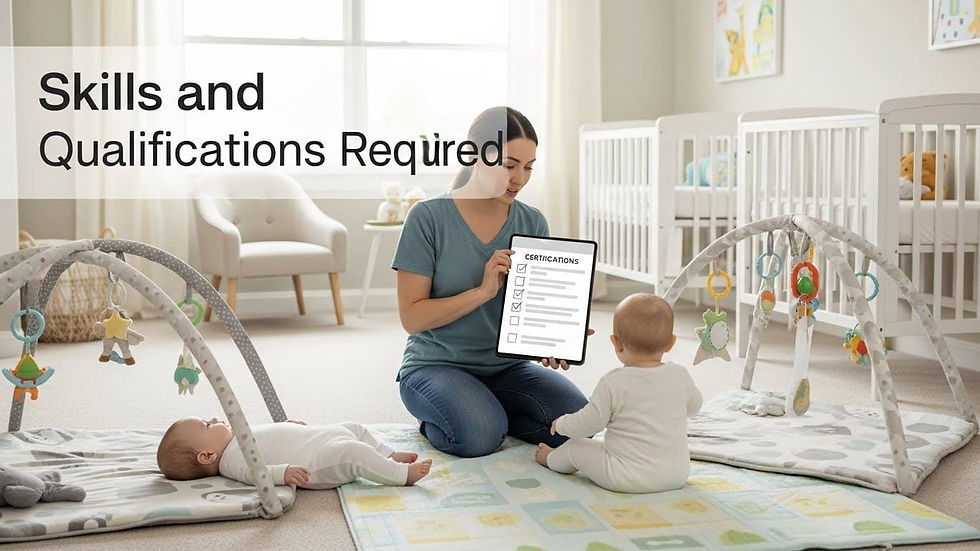
Early Childhood Certification: ECDA-recognized qualifications in infant care or early childhood education.
Patience and Empathy: Ability to handle the needs of multiple infants with care and attention
Observation Skills: Identifying milestones, health issues, or developmental delays early
Communication Skills: Clear and supportive communication with parents and colleagues
First Aid Knowledge: Training in infant CPR and emergency response
Benefits of Having a Skilled Infant Care Teacher

Ensures the child’s safety and well-being
Promotes healthy emotional and social development
Supports early cognitive and motor skill growth
Provides peace of mind for parents knowing their child is in capable hands
If you want to know the good quatlities of a teacher, check out this article.
FAQs
What is the central role of an infant care teacher?
The primary role is to provide care, safety, and early developmental support for infants while keeping parents informed about their child’s progress.
How many infants can a teacher look after at one time?
ECDA guidelines recommend a 1:5 teacher-to-infant ratio to ensure each child receives proper attention.
Do infant care teachers help with learning?
Yes, they introduce age-appropriate activities that support sensory, motor, language, and social development.
Are infant care teachers trained in emergencies?
Yes, all certified teachers are trained in first aid, CPR, and infant emergency procedures.
Can teachers guide parents on infant care at home?
Yes, teachers often advise on routines, feeding, sleep, and development to support parents in everyday care.


Comments